A new opportunity to teach students about the connections between forests and the sea
Image As someone who loves the forest and the sea, I’ve spent a lot of time considering both.
Image As someone who loves the forest and the sea, I’ve spent a lot of time considering both.
Image The Oregon Forest Resources Institute’s (OFRI) Wildlife in Managed Forests program has
Image Now that we’ve officially entered western Oregon’s wet season, many of us are ready to snuggle up at home
Image Hi, everyone!

Image We are in a historic time of a paradigm shift in the collective approach to forest policy in Oregon.
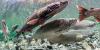
Image You may have seen the statistic in some of Oregon Forest Resources Institute’s educational media an
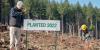
Image What is forest literacy? By its nature, it’s a moving target.

Image What wildlife species live in Oregon? How do we know?
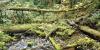
Image As a forester working for Roseburg
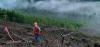
Image It’s a beautiful sunny February day that’s cold but clear, and I’m at a wetland in Washingt
Image Last summer, the Secretary of State Oregon Audits Division released its findings and recommendations
Image In 1957, a field science program called “outdoor school” was launched in Oregon that gave students in fifth o

Image There are more than 70,000 forestland owners in Ore

Image Arriving early at the
Image Since March, OFRI has been focusing our ed
Image I’m Jim Paul, the new executive director of the Oregon Forest Resources Institute (OFRI).

Image When you Google the term “fish to fry,” you’re rewarded with multiple recipes f

Image The three basic elements required for animal survival are food, water and shelter.
Image Teachers as a group are great at sharing ideas and networking.

Image Hello! My name is Trey Pokorney.