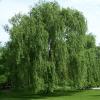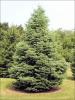
Pacific Yew
A medical marvel
Image
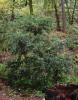
A medical marvel
Year-round beautyConsidered by many to be one of the most attractive native forest trees in North America, the paper birch can be an eye-catching ornamental tree often associated with the unspoiled wilderness. A popular landscape tree, its fall color and white bark in winter make an unbeatable combination.
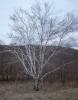
Image Both beauty and versatility
Sculptured tree or lumberHighly valued as an ornamental tree, it is often used for bonsai and hedges. It is also an important timber tree and is used to make Venetian blinds, sashes, doors and interior finish millwork because of its light, strong, fine-grained wood.
Image The trembling tree
Radiant and colorfulBroadly acclaimed for a variety of high-value wood products, alder also fixes nitrogen from the atmosphere and is an excellent recycler of nutrients. Native Americans used the bark to treat many problems from insect bites to lymphatic disorders. They also used the bark to dye fishing nets to make them less visible underwater.
A truly renaissance tree

Image Rehabilitation and conservation
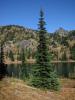
Image Largest of all pines

Image Range

One of the world’s few deciduous conifers
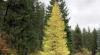
Image Can't get enough sun and water
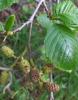
Image Strong and straight
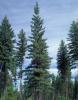
Image Making homes beautiful for centuries
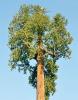
Image One tasty tree
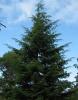
Oregon forest landowners plant approximately 40 million trees every year, ensuring sustainable forests for future generations.
By planting trees today, we supply the products needed to build homes and community spaces for future generations.
Planting trees is key to sustainable forest management. In Oregon, forest landowners plant three trees for every one harvested. As those trees grow, they provide habitat for wildlife at every stage of the forest life cycle.