Oregon's forest economy
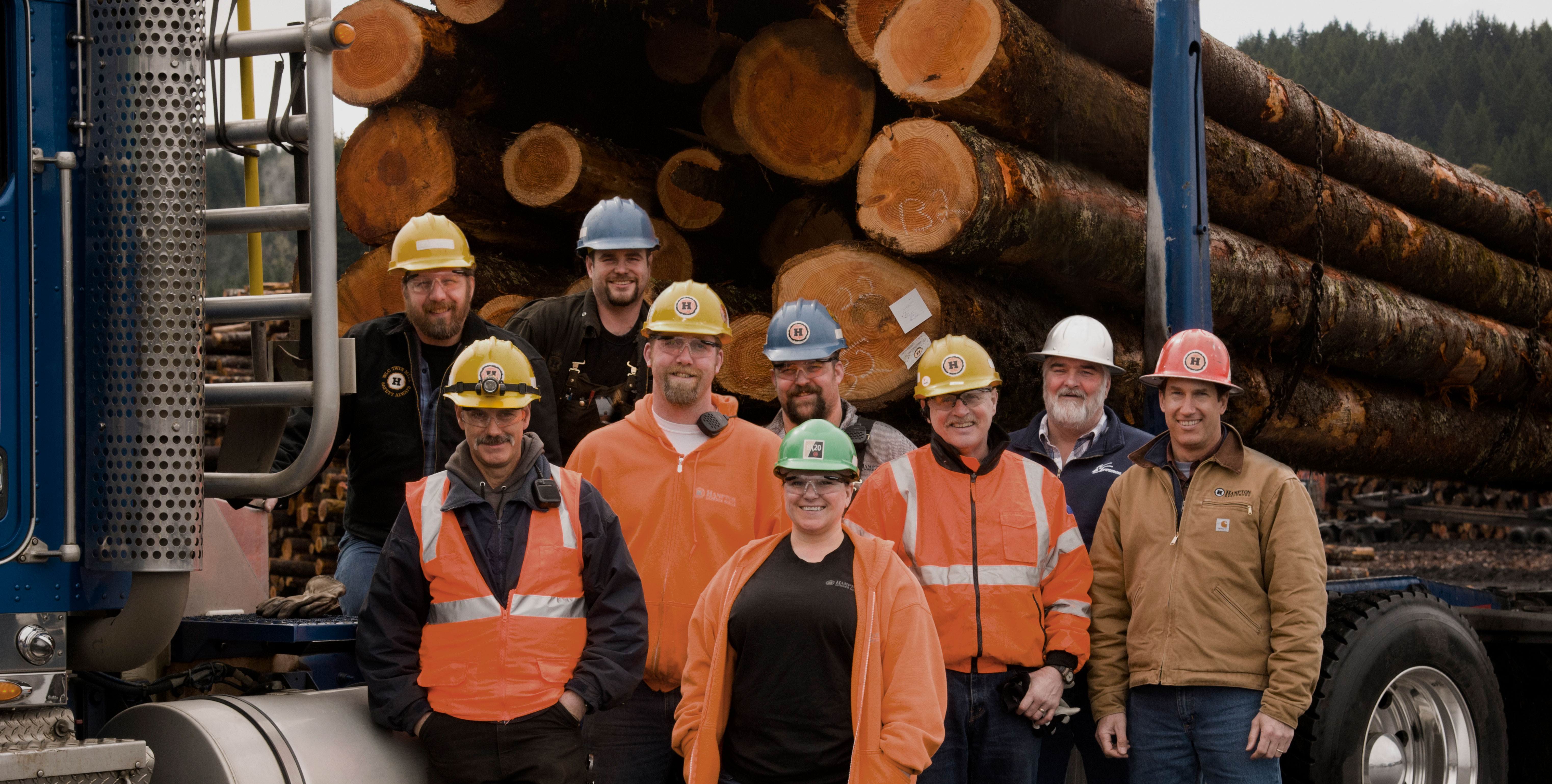
Forests support many local, family-owned businesses across the state, powering an entire sector of Oregon’s economy. Forestry remains a critical part of Oregon’s economy, and consumer demand remains high for the softwood lumber and other renewable wood products that are made right here in Oregon. Oregon’s forests are a vital natural resource that supplies the raw material for Oregon mills to make a variety of consumer products ranging from lumber and plywood to mass timber.
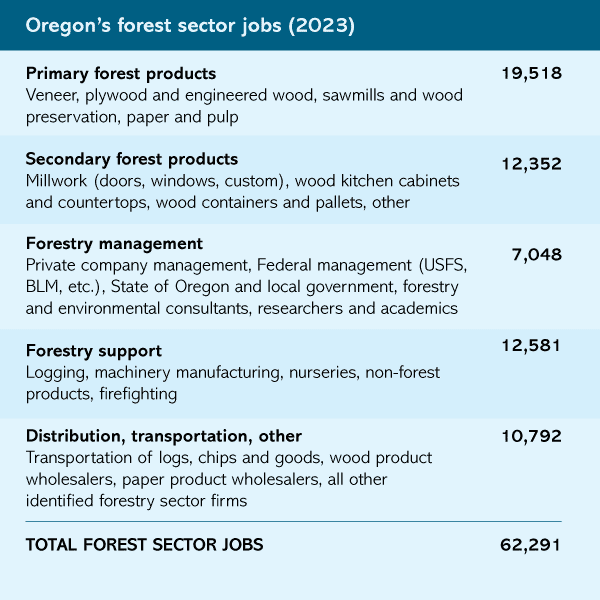
According to the most recent statistics, Oregon’s forest sector supports more than 62,000 direct jobs throughout the state in forest management and forest products manufacturing and distribution – nearly 4 percent – of total statewide employment.
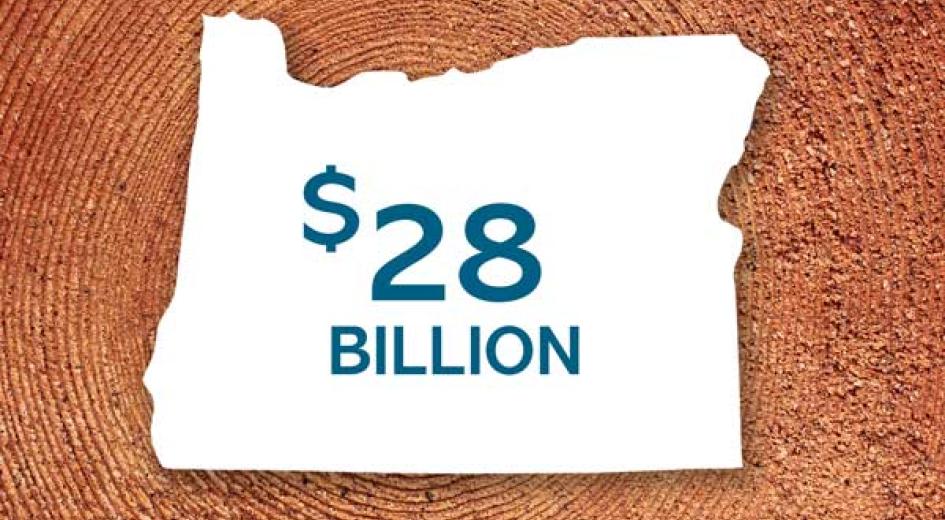
In 2023, the forest sector was responsible for generating over $28 billion in output, over 103,000 jobs and almost $13 billion in Oregon gross domestic product. This translates to 5.2 % of total state output, almost 4% of state employment and 4.3 % of GDP.
Forest jobs
Oregonians are employed in a variety of forest-related jobs, from forestry, logging, millwork and cabinetmaking to engineering, hydrology, business management and academic research. This is what is known as the “forest sector.” The sector encompasses a diverse array of career paths that include firefighters, ecologists, park rangers, wildlife and fish biologists, and more.
Employment and wages are central to the economic contribution of Oregon’s forest sector, and recent trends reveal diverging trajectories across industries. Wood product manufacturing has been the clear leader in payrolls, with total wages surpassing $1.3 billion annually after 2018 and production workers alone earning over $1 billion by 2022. Wages in this sector rose steadily throughout the decade, interrupted only by a brief dip during the 2020 pandemic before rebounding to record highs.
Economists estimate that each million board feet of timber harvested in Oregon creates or retains about 11 forest sector jobs.
Here’s a rundown of Oregon’s forest sector jobs by type of employment for 2023:
Timber harvest levels
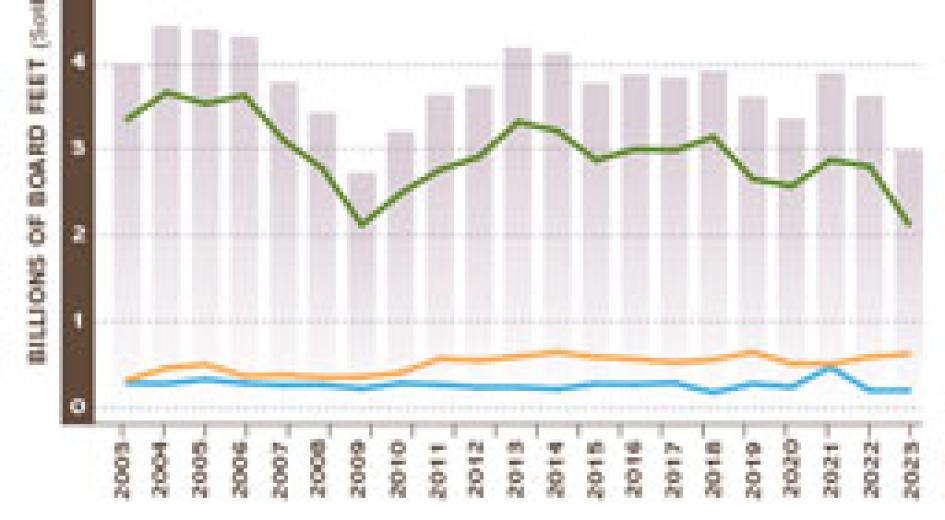
Forests remain Oregon’s most abundant natural resource and a crucial part of the state’s economy. Harvest levels from combined private and public forests total nearly four billion board feet per year – which is only about 39 percent of the new growth being added to our forests each year.
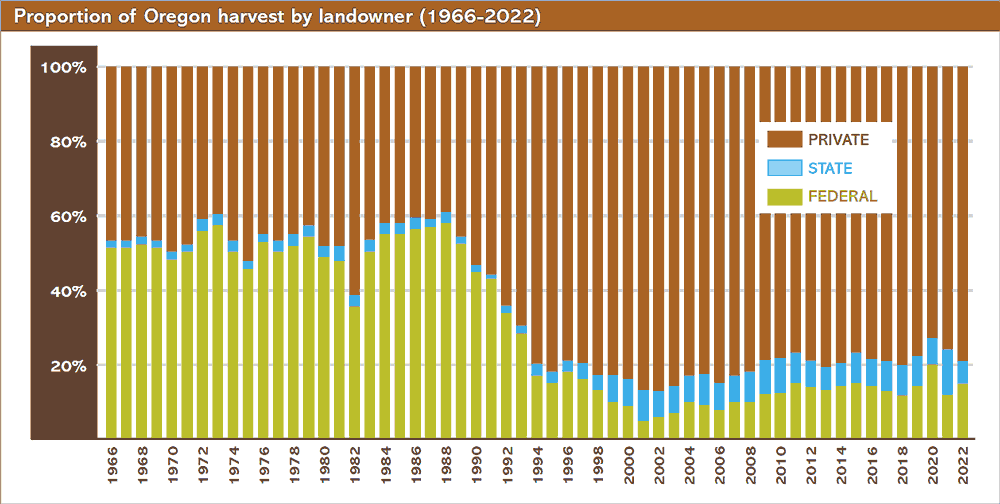
Between 1989 and 1995, timber harvest on federal lands dropped about 90 percent, caused mainly by environmental litigation, listing of the northern spotted owl, and related changes in federal management emphasis. Meanwhile, harvests from private forestland have remained relatively stable, except during the Great Recession (2007-09), when the collapse of the housing market caused a severe contraction in the U.S. demand for lumber. By 2013, the harvest had rebounded to 4.2 billion board feet, roughly pre-recession levels.
Timber harvest levels from public and private lands have remained relatively stable since the early 1990s, with less than a third of Oregon’s timber harvest happening on federal land. Most of the total state harvest now comes from private timberlands.
Wood Product Manufacturing
Timber sourced from Oregon’s forests is used to make a wide range of products, including lumber, plywood and veneer, pulp and paper, and bioenergy.
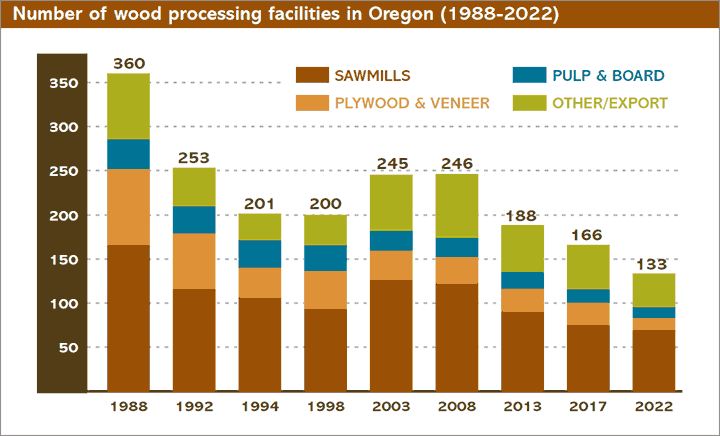
Although the number of lumber mills in Oregon declined by 58% between 1988 and 2022, and by 45% between 2003 and 2022, this trend does not necessarily indicate a shrinking industry. The reduction can be partly attributed to improvements in mill efficiency, shifts in timber supply and industry concentration.
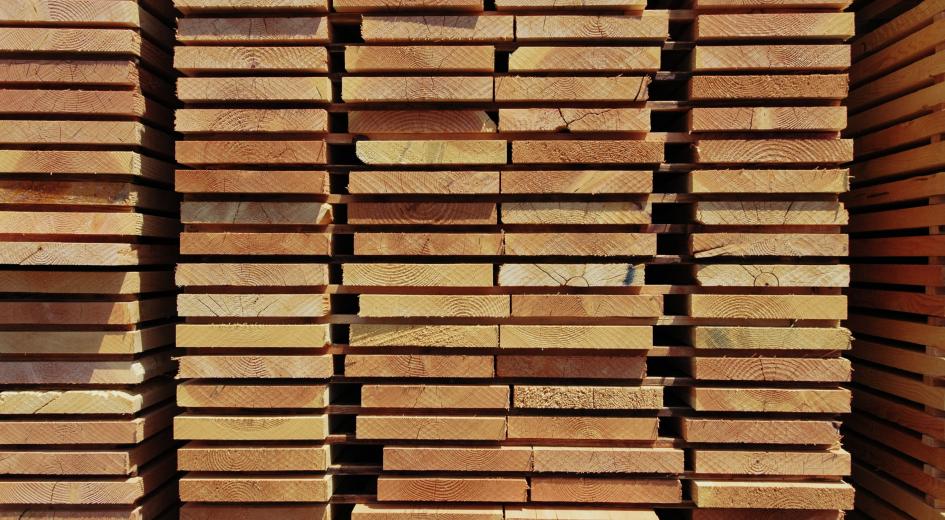
Oregon is the top U.S. producer of softwood lumber and plywood
Oregon has led the nation for many years in producing softwood lumber and plywood typically used for homebuilding.
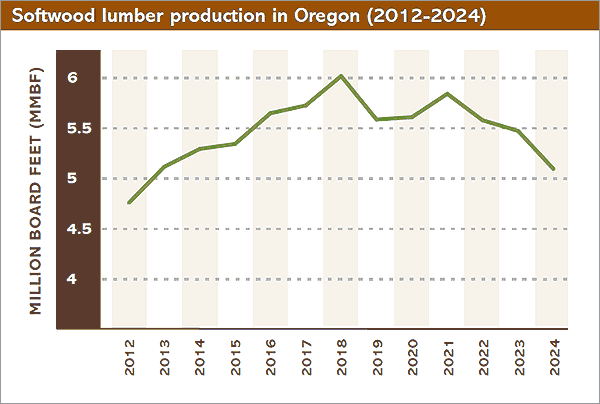
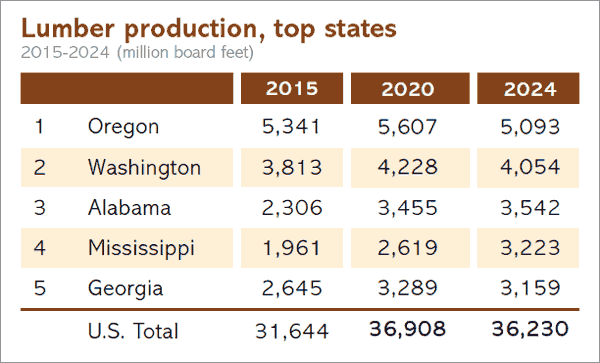
In 2024, Oregon sawmills produced over 5 billion board feet of lumber, accounting for approximately 14% of total U.S. production, while Oregon plywood mills accounted for about 28% of total U.S. plywood production in 2023.
A promising development for Oregon’s forest sector in recent years is the growing market for mass timber and other engineered wood products, which are typically made by bonding together lumber or plywood to create massive building components. Oregon has the largest number of engineered wood manufacturing plants in the U.S., and mass timber is an area of growth that’s attracted both public and private investment in the state.
More than timber
Besides being the source of timber to make wood products, the forests of Oregon contribute to Oregon’s economy in other ways, not to mention providing a host of social and environmental benefits that contribute to the quality of life in the state.
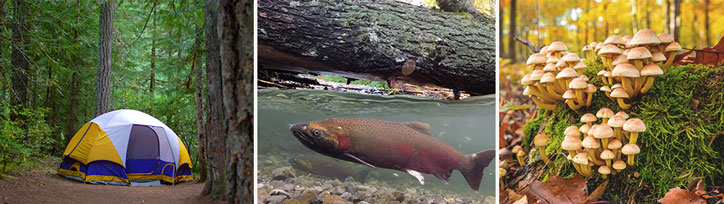
Countless Oregonians recreate in forests every year on both public and private lands, and outdoor recreation plays a significant role in Oregon’s economy through tourism and jobs supported by spending in rural communities located near recreational attractions.
Oregon’s forests are also the source for a variety of non-timber products. Some are highly valued and gathered commercially, including mushrooms and boughs, shrubs and cones used in the floral industry.
Growing recognition of the value of forests for carbon sequestration has also led a number of Oregon landowners to pursue forest carbon-offset projects that have been developed and certified in both voluntary and regulatory carbon markets.
Oregon Forest Facts 2025-26
Find Your Path: Maintenance Manager

Educating forest landowners
No. 1 in softwood lumber
Forest Fact