Plywood leader
Oregon continues to lead the nation in plywood production.
Oregon continues to lead the nation in engineered wood products.
Oregon continues to lead the nation in the production of softwood lumber.
Ownership of Oregon's is split between federal, state, private and tribal owners. This table shows the acreage in each of the ownership categories
One third of Oregon's forests are privately owned, and yet they product three quarters of our lumber supply. These pie charts show the comparison between ownership and harvest in Oregon.
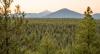
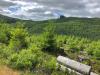
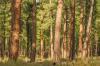
Nearly half of Oregon is covered in forestland, totaling almost 30 million acres.
Oregon's forest sector supports more than 62,000 jobs across the state, including forest management, primary and secondary forest products, transportation and more.
For many of us, the bald eagle conjures the image of a majestic sky predator. Folks rarely think of a freshly hatched, defenseless puffball. However, the pipeline from puny to powerful only takes three months. Let’s start at the beginning. Making a house a home
Portland, Ore. — The Oregon Forest Resources Institute (OFRI) and partners are hosting the inaugural Forest Wildlife Research Summit Oct. 30 at Oregon State University in Corvallis to highlight scientific research on the habitat needs of forest-reliant wildlife and their response to forest management actions.
Every few years, OFRI conducts an in-depth research survey called Forest Values and Beliefs. The research is conducted by DHM Research. We asked 800 Oregonians their opinions about, and knowledge of, forests and forest management in Oregon.
Portland, Ore. — The Partnership for Forestry Education has updated its KnowYourForest.org website, which serves as a gateway to the information, tools and educational opportunities available to Oregon’s forest landowners.
Hello, my name is Emma Knapton, and I’m the new social media intern for the Oregon Forest Resources Institute (OFRI).
The northwestern pond turtle may be small — just 6-8 inches long — but it’s got a big story. With a marbled brown shell and a uniquely patterned yellow and black belly, this shy reptile is known to live up to 70 years.
OFRI Annual Report for fiscal year 2024-25.
As fall starts to settle in the Pacific Northwest, blooms turn to seeds, deciduous trees blush with warm shades and crisp mornings bring a sense of change.
In the dusky stillness of a cave nestled in the forested hills of Oregon, a young little brown bat (Myotis lucifugus) opens her eyes for the first time that evening. A little more than a year ago, she was born with light brown fur, joining a colony of little brown bats whose coats range in color from reddish brown to dark brown.
This publication highlights how Oregon’s private forest landowners are supporting native wildlife through thoughtful, science-based management. Building on nearly 20 years of OFRI’s Wildlife in Managed Forests (WIMF) program, this publication showcases real examples of habitat stewardship, key research findings, and practical actions that help keep common species common. Explore how working forests of all ages contribute to a healthy mosaic of wildlife habitat across Oregon’s landscape.
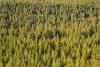
Planting trees is key to sustainable forest management. In Oregon, forest landowners plant three trees for every one harvested. As those trees grow, they provide habitat for wildlife at every stage of the forest life cycle.
Planting trees is key to sustainable forest management. In Oregon, forest landowners plant three trees for every one harvested. As those trees grow, they pull atmospheric carbon out of the air and store it within the wood. Even when that wood is made into a home or other wood products, the carbon stays locked in the wood.
Forest landowners and managers are hard at work every day in forests throughout the state. They ensure that trees are thinned, spaced and growing properly, and that excessive dry brush is cleared and other fire hazards minimized. All this is done while maintaining wildlife habitat, biodiversity and water quality.
Forest Fac
62,000 OregoniansThat’s the number of individuals who own between 10 and 5,000 acres of forestland in our state. Their holdings are often referred to as "family forestlands," because many of these properties have been handed down through generations.The amount of timber coming from family forestlands varies greatly depending on market demand for wood products. Family forestlands accounted for about 12 percent of Oregon’s annual timber harvest in 2022.